Introduction
The management of stomas and ostomies is an essential element of health care that requires specialized understanding and training. As health care specialists, it's imperative to outfit ourselves with the very best methods in stoma and ostomy education and learning. With a raising number of people undergoing treatments that result in a stoma, recognizing the subtleties of ostomy care is vital for supplying quality individual care. This short article will certainly delve into extensive techniques, instructional needs, and functional approaches that can improve our proficiencies in this field.
Best Practices in Stoma and Ostomy Education for Health Care Professionals
Stomas are operatively developed openings on the abdominal areas that enable waste to exit the body when normal bowel or urinary function is not feasible. Comprehending what a stoma is-- along with its effects-- develops the structure of reliable ostomy care. To provide ideal care for people living with a stoma, health care experts should undertake detailed training, such as stoma care training for carers, ndis complex bowel care training, and complex digestive tract care courses
What Is a Stoma?
A stoma is an operatively created opening from a location inside the body to the outside environment. There are a number of sorts of stomas:

- Colostomy: Produced from the big intestine (colon). Ileostomy: Created from the tiny intestinal tract (ileum). Urostomy: Diverts urine away from a diseased bladder.
Each kind has unique treatment needs, highlighting the requirement for specialized education.
What Is an Ostomy?
An ostomy refers to any type of procedure that creates an opening (stoma) in the body, enabling waste removal. It can be short-lived or long-term, depending on the underlying medical condition. This demands customized education and learning programs targeting both healthcare ostomy care providers and patients.
Importance of Stoma Care Training
Training in stoma care gears up medical care experts with crucial skills required for efficient client administration. A durable understanding makes it possible for experts to instruct patients about:
Proper cleaning techniques Skin security measures Recognizing problems early Emotional assistance strategiesThe Function of Education in Digestive Tract Treatment Management
Education bordering bowel care management is crucial for promoting freedom amongst clients with ostomies. It incorporates mentor abilities associated with:
- Dietary adjustments Medication management Regular follow-ups with medical care providers
NDIS Complex Bowel Care Training
The National Special needs Insurance coverage Scheme (NDIS) supplies certain training programs concentrated on complex bowel care demands. This consists of:
- Assessing individual person needs Tailoring interventions based upon certain conditions Supporting caregivers through structured academic modules
Comprehensive Introduction of Stoma Care Courses
Various organizations use stoma care training courses, which usually cover:
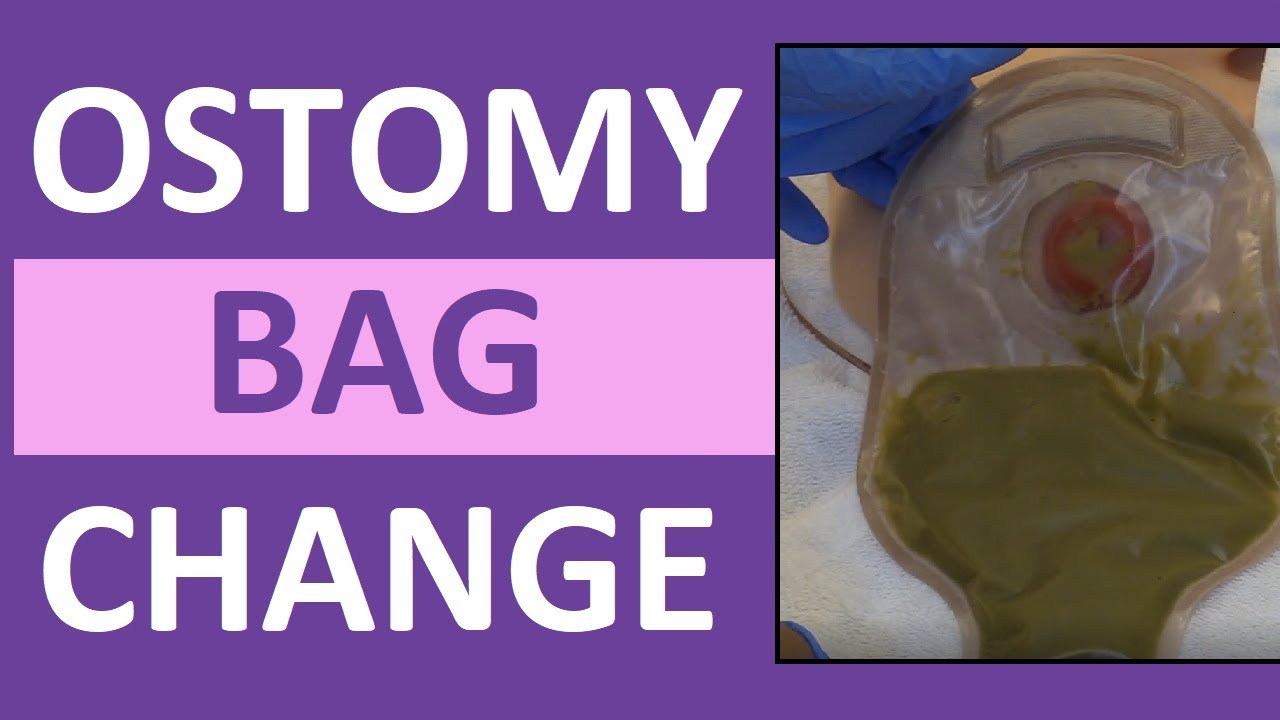
Anatomy and physiology relevant to ostomies. Practical strategies for altering bags. Troubleshooting typical issues. Strategies for emotional support.These training courses make certain that health care experts have all-around knowledge relevant to real-life situations.
Complex Bowel Care Program Insights
Professionals embarking on complex bowel care courses obtain understandings right into handling intricate situations including numerous wellness conditions like:
- Inflammatory bowel condition (IBD) Cancer-related surgeries Congenital abnormalities
This certain training helps recognize one-of-a-kind difficulties faced by these clients and gives approaches to alleviate dangers effectively.
Caring for an Ostomy: Finest Practices
Caring for an ostomy goes beyond simple trivialities; it includes empathy, perseverance, and aggressive engagement with clients' needs:
Personalized Care Plans: Every patient's circumstance might vary; for that reason, personalized plans are crucial. Patient Education: Mentor people how to handle their stomas empowers them. Follow-Up Support: Continuous support assures patients as they browse their new reality.Best Practices in Stoma and Ostomy Education for Healthcare Professionals
To guarantee effective end results, below are some ideal techniques every medical care expert should take on:
1. Remain Updated on Most Current Research
Continuous discovering through workshops, meetings, and upgraded literature keeps experts educated about improvements in ostomy technology.
2. Involve Multidisciplinary Teams
Collaboration amongst cosmetic surgeons, registered nurses, dietitians, and mental health specialists promotes holistic individual care.
3. Make Use Of Individual Resources
Providing clients with easy-to-understand sources aids comprehension of their condition and empowers them to organize their wellness journey.
4. Motivate Peer Assistance Groups
Facilitating connections in between people can produce supportive neighborhoods where common experiences help in reducing feelings of isolation.
Key Skills Needed for Reliable Ostomy Management
Healthcare specialists should cultivate certain essential skills during their training programs:
Clinical Skills
Understanding makeup related to ostomies allows experts to provide precise assessments.
Communication Skills
Being able to communicate successfully makes certain that individuals really feel heard and recognized regarding their problems connected to ostomy management.
Emotional Intelligence
Recognizing psychological distress in clients helps tailor helpful treatments throughout challenging times post-surgery.
Common Difficulties in Stoma Care Management
Despite best shots, challenges develop regularly throughout person management worrying their stomas:
1. Skin Complications
Patients frequently experience skin irritations around the stoma website as a result of improper suitable or allergies to appliances used.
Prevention Methods:
- Educate on correct application techniques. Recommend skin barrier items as needed.
2. Nutritional Adjustments
Post-operative dietary changes can lead individuals towards nutritional deficiencies if not managed correctly.
Practical Advice:
Guide patients through keeping well balanced diets while preventing foods recognized to trigger pain or blockages.
FAQs on Stoma Care Training
Q1: What must I include in my stoma care training curriculum? A1: A comprehensive educational program ought to cover composition pertaining to stomas, useful bag altering techniques, fixing common issues, dietary alterations, psychological support strategies, and ongoing assessment protocols.
Q2: Why is psychological assistance essential in ostomy education? A2: Lots of people encounter significant psychological difficulties after receiving an ostomy; giving mental assistance through counseling or peer groups can dramatically improve their quality of life post-surgery.
Q3: Just how frequently should I upgrade my understanding relating to stoma care? A3: Regularly attending expert advancement courses at least annually is suggested; nonetheless, remaining informed about new research study continuously is equally important.
Q4: What sources are available for caretakers taking care of somebody with a stoma? A4: Many on the internet systems offer guides specifically created for caregivers; additionally, local support groups can give invaluable peer networks sharing functional pointers based on lived experiences.
Q5: Exist specialized certifications available focusing on ostomy education? A5: Yes! Numerous companies supply certifications that concentrate specifically on wound/ostomy continence nursing (WOCN), which enhances reputation within this specialty domain significantly!
Q6: Can technology help in handling complex bowel conditions? A6: Definitely! Emerging innovations such as telehealth assessments promote routine tracking while also improving accessibility to professional recommendations throughout treatment plans tailored distinctly per person's needs!
Conclusion
In final thought, applying ideal techniques in stoma and ostomy education and learning is critical for boosting healthcare outcomes across varied patient populaces dealing with these problems daily! With properly designed instructional frameworks incorporating theoretical expertise along with sensible applications tailored in the direction of real-world situations-- healthcare providers can with confidence aid those browsing life post-surgery while ensuring they retain control over their wellness trips moving forward! By engaging actively within multidisciplinary groups while constantly updating our skills via proceeded expert growth possibilities-- we pave pathways towards enhanced quality-of-life outcomes across all ranges included within this important location of patient-centered clinical technique today!